Choosing a dog trainer isn’t just about “who can teach sit.” If your dog is reactive, anxious, or showing aggression, you need a plan that prioritizes safety, structure, and real-world results—not quick fixes.
If you’re searching for dog training Gainesville FL, and you live in or near Haile Plantation, Jonesville, Tioga, Archer, Newberry, Duckpond, Millhopper, University Park, Pleasant Street, Midtown, Downtown Gainesville, Stephen Foster, Highland Court Manor, Forest Ridge, Springtree, Suburban Heights, or neighborhoods near the University of Florida, this list will help you choose the right professional.
1) A clear safety plan (management first, training second)
A qualified dog trainer should start by reducing risk immediately—before any “training reps” happen. That can include leash handling, muzzle conditioning if appropriate, home setup, distance management, and rules for guests.
2) Realistic timelines (no “guaranteed in 7 days” promises)
Real dog behavior modification takes time—especially for aggressive dog training and severe reactivity. Look for someone who explains phases (stabilize → teach skills → proof → maintain) and gives honest expectations.
3) Experience with severe cases (reactivity, aggression, anxiety)
Not all dog training is the same. Ask specifically about cases like yours: dog-dog reactivity, leash reactivity, fear biting, resource guarding, or anxiety. A trainer should be comfortable talking through triggers, thresholds, and safety protocols.
4) A structured training plan with measurable goals
You want a plan you can track. Examples of measurable goals:
Fewer outbursts on walks
Shorter recovery time after a trigger
Neutrality around dogs/people at a safe distance
Reliable obedience cues under distraction
5) Owner education (you’re part of the solution)
A strong program teaches you how to handle the leash, read body language, and prevent rehearsals of unwanted behavior. The best dog training doesn’t end when the session ends—it changes your daily routines.
6) Proofing in real-world environments (not just in a quiet room)
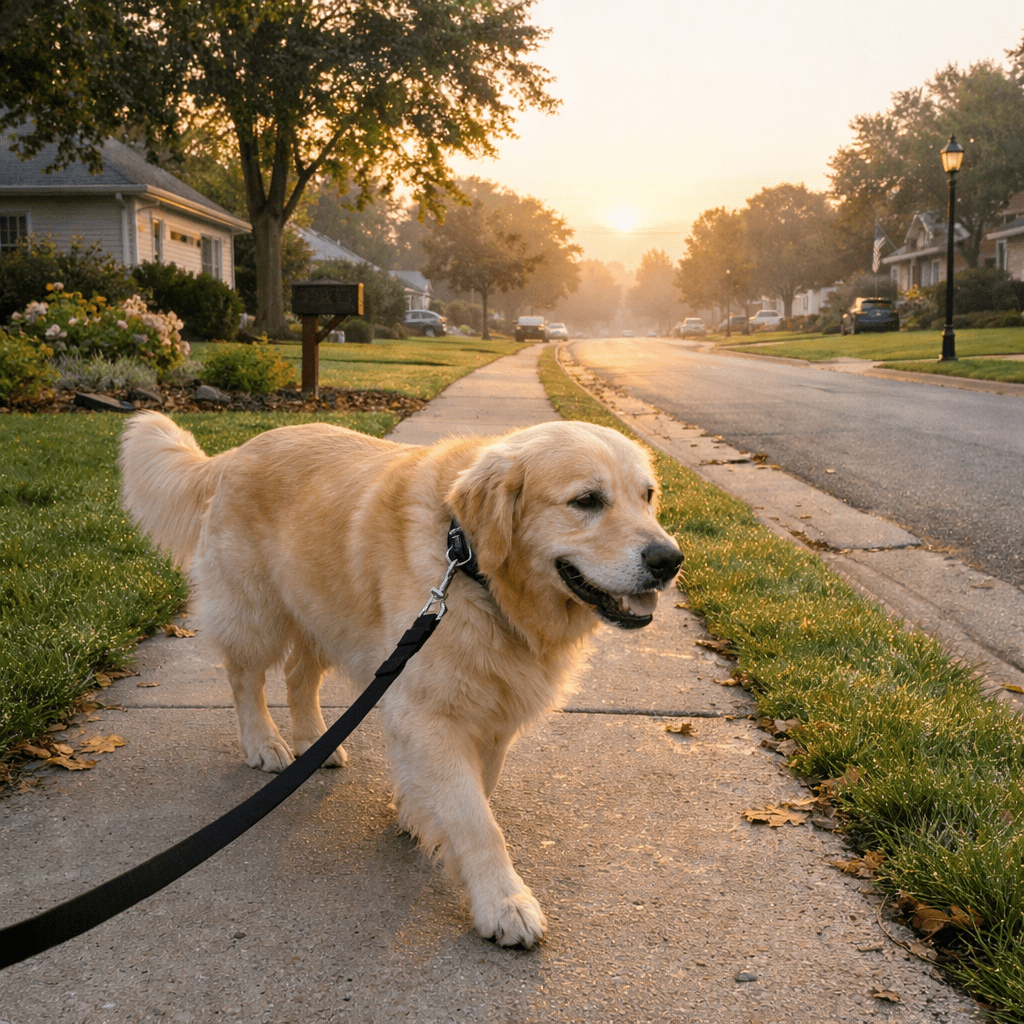
Dogs don’t live in training facilities—they live in Gainesville. Your trainer should help you practice where it matters: neighborhoods, parks, sidewalks, and busy areas (when appropriate). Proofing is where skills become real.
7) Transparent tools and methods (why, when, and how)
Whether a trainer uses positive reinforcement, balanced methods, long lines, slip leads, or e-collars, they should clearly explain:
Why the tool is being used
When it’s appropriate (and when it’s not)
How to use it safely and fairly
8) Follow-up support after the program ends
Behavior change is a process. Ask what happens after the main program:
Check-ins
“Reset” sessions
Advanced obedience options
Ongoing coaching for new challenges
9) Ethical screening (some dogs need a different plan)
A professional should screen honestly. Some dogs need a veterinary check, a slower approach, a different environment, or a specialist referral. Ethical screening protects you, your dog, and your community.
10) Results you can see: calmer walks, better neutrality, safer handling
The best results are practical:
Calmer, safer walks
Better neutrality around dogs/people
Clearer communication and handling
More predictable behavior at home and in public
Bonus: Ask about structured outlets like dog daycare, play camp, and dog boarding
For many dogs, the right structure and supervision matters as much as training sessions.
Dog daycare: Look for trainer-supervised, carefully matched groups—not chaotic free-for-alls.
Dog boarding: For reactive dogs, boarding should prioritize safety, structure, and low-conflict routines.
Why this matters (and how we approach it)
At Casper’s Camp Hope Dog Training – The behavior specialists in Florida., we focus on step-by-step progress and real-life obedience—especially when your dog is struggling in public. Our approach to aggressive dog training and dog behavior modification is built around clarity, structure, and safety so you can see real change you can live with.
If you’re looking for a dog trainer in Gainesville and you want a plan that’s honest, measurable, and built for real life, reach out for a consultation and tell us what you’re dealing with—reactivity, aggression, anxiety, or just a dog who needs better manners.
 Dog Training Near Me
Leave a comment