Tag: Wadda Good Doggy Play Camp

  • 10 Things to Look for in a Dog Trainer (Especially for Reactivity/Aggression)

    10 Things to Look for in a Dog Trainer (Especially for Reactivity/Aggression)

    Choosing a dog trainer isn’t just about “who can teach sit.” If your dog is reactive, anxious, or showing aggression, you need a plan that prioritizes safety, structure, and real-world results—not quick fixes.

    If you’re searching for  dog training Gainesville FL, and you live in or near Haile Plantation, Jonesville, Tioga, Archer, Newberry, Duckpond, Millhopper, University Park, Pleasant Street, Midtown, Downtown Gainesville, Stephen Foster, Highland Court Manor, Forest Ridge, Springtree, Suburban Heights, or neighborhoods near the University of Florida, this list will help you choose the right professional.

    1) A clear safety plan (management first, training second)

    A qualified dog trainer should start by reducing risk immediately—before any “training reps” happen. That can include leash handling, muzzle conditioning if appropriate, home setup, distance management, and rules for guests.

    2) Realistic timelines (no “guaranteed in 7 days” promises)

    Real  dog behavior modification takes time—especially for aggressive dog training and severe reactivity. Look for someone who explains phases (stabilize → teach skills → proof → maintain) and gives honest expectations.

    3) Experience with severe cases (reactivity, aggression, anxiety)

    Not all dog training is the same. Ask specifically about cases like yours: dog-dog reactivity, leash reactivity, fear biting, resource guarding, or anxiety. A trainer should be comfortable talking through triggers, thresholds, and safety protocols.

    4) A structured training plan with measurable goals

    You want a plan you can track. Examples of measurable goals:

    Fewer outbursts on walks

    Shorter recovery time after a trigger

    Neutrality around dogs/people at a safe distance

    Reliable obedience cues under distraction

    5) Owner education (you’re part of the solution)

    A strong program teaches you how to handle the leash, read body language, and prevent rehearsals of unwanted behavior. The best  dog training doesn’t end when the session ends—it changes your daily routines.

    6) Proofing in real-world environments (not just in a quiet room)

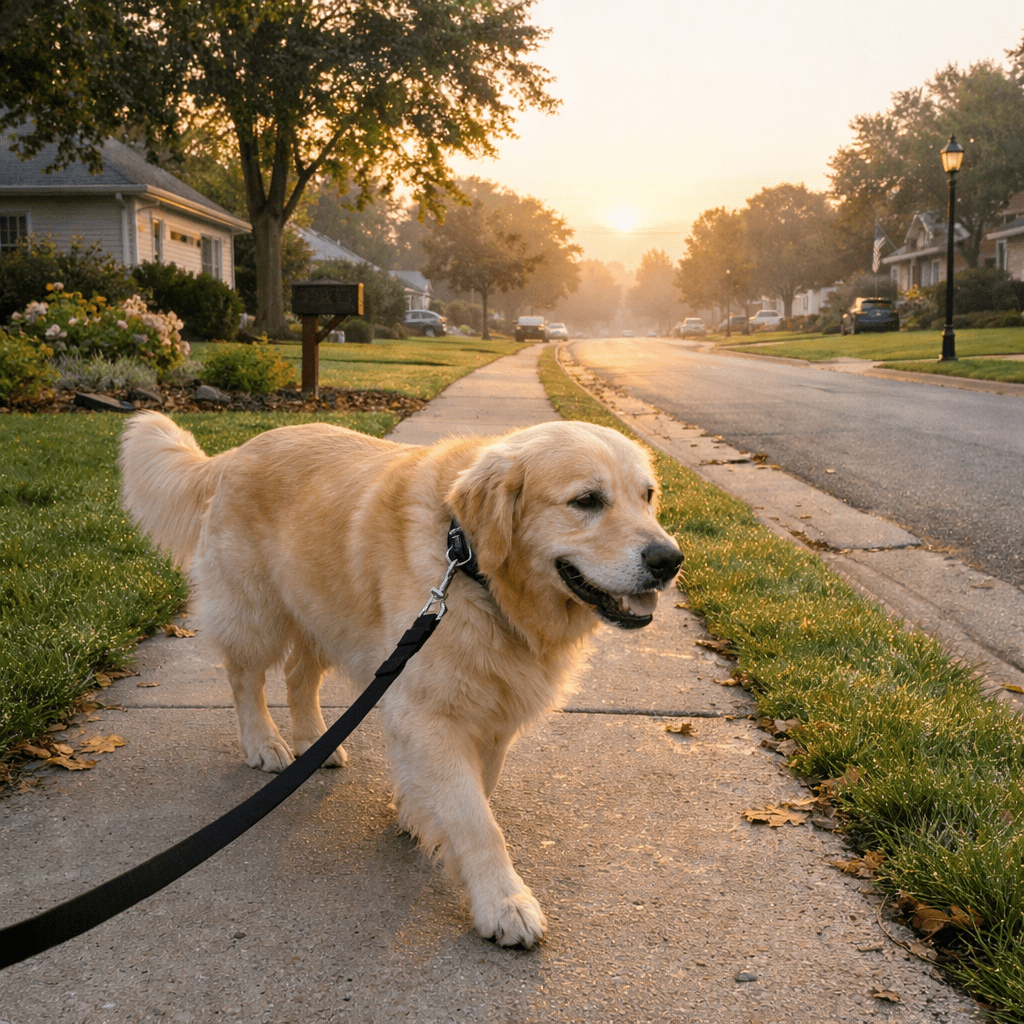
    Dogs don’t live in training facilities—they live in Gainesville. Your trainer should help you practice where it matters: neighborhoods, parks, sidewalks, and busy areas (when appropriate). Proofing is where skills become real.

    7) Transparent tools and methods (why, when, and how)

    Whether a trainer uses positive reinforcement, balanced methods, long lines, slip leads, or e-collars, they should clearly explain:

    Why the tool is being used

    When it’s appropriate (and when it’s not)

    How to use it safely and fairly

    8) Follow-up support after the program ends

    Behavior change is a process. Ask what happens after the main program:

    Check-ins

    “Reset” sessions

    Advanced obedience options

    Ongoing coaching for new challenges

    9) Ethical screening (some dogs need a different plan)

    A professional should screen honestly. Some dogs need a veterinary check, a slower approach, a different environment, or a specialist referral. Ethical screening protects you, your dog, and your community.

    10) Results you can see: calmer walks, better neutrality, safer handling

    The best results are practical:

    Calmer, safer walks

    Better neutrality around dogs/people

    Clearer communication and handling

    More predictable behavior at home and in public

    Bonus: Ask about structured outlets like dog daycare, play camp, and dog boarding

    For many dogs, the right structure and supervision matters as much as training sessions.

    Dog daycare: Look for trainer-supervised, carefully matched groups—not chaotic free-for-alls.

    Dog boarding: For reactive dogs, boarding should prioritize safety, structure, and low-conflict routines.

    Why this matters (and how we approach it)

    At Casper’s Camp Hope Dog Training – The behavior specialists in Florida., we focus on step-by-step progress and real-life obedience—especially when your dog is struggling in public. Our approach to  aggressive dog training and dog behavior modification is built around clarity, structure, and safety so you can see real change you can live with.

    If you’re looking for a dog trainer in Gainesville and you want a plan that’s honest, measurable, and built for real life, reach out for a consultation and tell us what you’re dealing with—reactivity, aggression, anxiety, or just a dog who needs better manners.
  • Dog Daycare in Gainesville, FL: The Green Flags That Keep Playtime Safe

    Dog Daycare in Gainesville, FL: The Green Flags That Keep Playtime Safe

    If youre a dog owner in Gainesville, youve probably had this thought at least once:

    I want my dog to have fun and get energy outbut I dont want them coming home stressed, overwhelmed, or picking up bad habits.

    Thats not you being picky. Thats you being smart.

    Because heres what a lot of people dont realize until after the fact: most dog daycares arent run by people who truly understand canine behavior and group dynamics. Not because theyre careless or cruel most are genuinely trying. They love dogs.

    But loving dogs isnt the same as knowing how to prevent conflict.

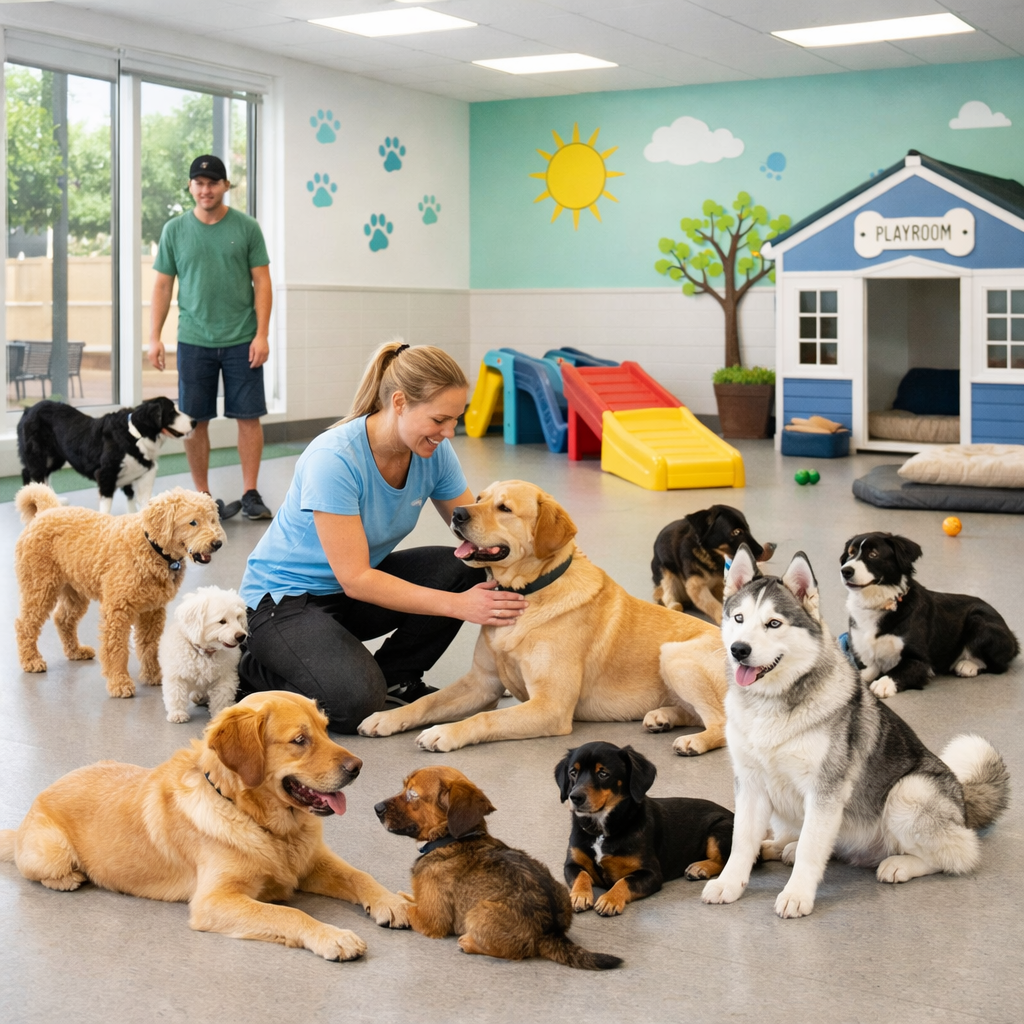
    At  Casper’s Camp Hope Dog Training – The behavior specialists in Florida., we built our daycare program to be the opposite of chaotic.  Wadda Good Doggy Play Camp is a safe, structured, conflict-free environment where dogs can play, build social skills, and practice manners with professional trainer supervision.

    Most Daycares Arent Bad Theyre Just Undertrained

    When a dog daycare goes sideways, it usually isnt because the staff wakes up thinking, Lets ruin someones dog today.

    Its because the facility is missing the skill set that matters most:

    Reading body language early (before it becomes a scuffle)

    Understanding arousal levels (when fun turns into too much)

    Matching dogs by play style and temperament

    Creating structure so dogs can take breaks and reset

    A lot of places rely on a simple system: Big dogs here, small dogs there.

    But size is not the issue.

    A confident, pushy 30-pound adolescent can overwhelm a gentle 70-pound dog. A high-energy wrestler can stress out a dog who prefers sniffing and parallel play. And a dog whos socially awkward can turn into a problem if nobody coaches them.

    This is why so many owners end up searching for  reactive dog training Gainesville FL  after a daycare experience that looked fine on the surface.

    The Daycare Aftermath No One Warns You About

    Heres what we hear all the time:

    My dog used to be okay with other dogs now they bark and lunge.

    Theyre more hyper after daycare than before.

    They started humping, body-slamming, and ignoring me.

    They seem jumpier and more on edge.

    Thats not random.

    When dogs rehearse chaotic play, they get better at chaotic play. When theyre constantly overstimulated, their nervous system stays revved up. And when conflict happens (even minor conflict), it can change how they feel about other dogs.

    If your dog already struggles with reactivity, anxiety, or big feelings, the wrong environment can push them closer to needing serious behavior work including  aggressive dog training in more extreme cases.

    What a Thoughtful Daycare Actually Looks Like

    A great daycare isnt loud, frantic, and nonstop.

    A great daycare looks like:

    Dogs playing in compatible groups

    Dogs taking breaks without being chased

    Staff stepping in early not late

    Calm transitions (not a constant free-for-all)

    Dogs practicing manners as part of daily life

    In other words, its not just supervised. Its managed.

    Thats the difference.

    Inside Wadda Good Doggy Play Camp (Our Conflict-Free Approach)

    At Wadda Good Doggy Play Camp, were intentional about every part of the day.

    1) Matching dogs by play style, not just size

    We look at how dogs actually interact:

    Chasers with chasers

    Wrestlers with wrestlers

    Gentle/socially polite dogs together

    Dogs who need confidence-building in calmer groups

    2) Preventing problems before they happen

    We watch for early signs of tension:

    Hard staring

    Stiff posture

    Blocking, hovering, or cornering

    Repeated mounting/humping

    One dog trying to escape while another wont stop

    When we see it, we redirect and reset the group.

    3) Trainer supervision (not just dog lovers)

    Our daycare is supervised by professional trainers peoples who do  dog training every day and understand behavior patterns.

    That means we can keep play safe and  help dogs build better social skills and manners while theyre here.

    Is My Dog a Good Fit? (The Honest Answer)

    If your dog is reactive, anxious, or has a history of conflict, you deserve a straight answer not a sales pitch.

    Sometimes daycare is a great fit. Sometimes its not the right tool yet.

    If your dog needs foundational training first, well tell you and map out a plan. That might include structured sessions, controlled social exposure, or a training program designed to help them succeed.

    And if you also need dog boarding Gainesville FL, we can talk through what environment is safest for your dogs temperament and needs.

    Local Gainesville Neighborhoods We Commonly Serve (Within ~5 Miles)

    We work with dog owners across Gainesville, including areas like:

    Duckpond

    Jonesville

    Tioga

    Newberry

    Archer

    Pleasant Street

    University Park

    Fifth Avenue / Fifth Ave

    Midtown

    Downtown Gainesville

    Stephen Foster

    Northeast Gainesville

    Northwest Gainesville

    Highland Court Manor

    Forest Ridge

    Springtree

    Suburban Heights

    If youre nearby and searching for  dog training Gainesville, FL , you’re in the right place.

    The Team Standard Matters (And It Shows)

    One thing were proud of: our training culture creates real professionals.

    Some of the dog trainers who have launched their own dog training businesses started as Jimmys apprentices.

    That means the systems, handling skills, and behavior knowledge we teach arent surface-level. Theyre the kind of standards that build careersand keep dogs safe.

    Quick Tour Questions to Ask Any Daycare

    Use this list anywhere:

    How do you group dogsand why?

    What do you do when a dog is overwhelmed?

    Do dogs get breaks and decompression time?

    What training does your staff have in canine behavior?

    How do you prevent conflict (not just break up fights)?

    Whats your plan for new dogs with poor manners or low social skills?

    If the answers feel vague, youre not being difficult. Youre protecting your dog.

    The Bottom Line Daycare Should Support Your Training, Not Undo It

    Daycare can be amazing when its done thoughtfully.

    But when its chaotic, unstructured, and under-supervised, it can create the exact issues you were trying to avoid.

    If you want a safe place where dogs can play, build social skills, and practice manners in a conflict-free environment, Wadda Good Doggy Play Camp was built for that.

    Want to know if your dog is a good fit for our play camp?

    Call us today and book a free consultation. Well talk through your dogs personality, history, and goals and well give you an honest recommendation.

    Whether youre looking for dog trainingreactive dog training Gainesville FLaggressive dog training, or  dog boarding Gainesville FL , well help you choose the safest next step.

    Contact Casper’s Camp Hope Dog Training – The behavior specialists in Florida. and lets build a calmer, more social, better-mannered dog the right way.